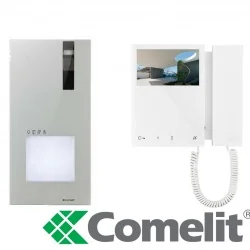
Your property. Your requirements.
Decide how visitors should reach you
Door entry begins with the experience at the entrance. A visitor needs to contact the right person, and someone inside needs an appropriate way to communicate and decide whether to admit them. Explain whether the entrance serves a single property, several occupiers or a business reception arrangement.
Audio and video requirements should be discussed in that context. Tell us where the person answering is likely to be and whether more than one user needs to respond. You do not have to choose a handset or panel before enquiring. Describing the journey from arrival to admission is a more useful starting point.
Distinguish visitors from regular users
Someone visiting occasionally may need a different arrangement from a resident or member of staff who enters every day. Access control concerns how authorised users gain entry; door entry concerns communication with arrivals. Depending on the premises, one or both may be relevant.
List the entrances involved and the groups using them. Include deliveries, contractors and any shared access. If access changes during the day, explain the pattern. These details help the proposed system address practical use rather than treating every door as an isolated item of equipment.
Consider the physical entrance
The door, its existing hardware and available routes for power and cabling form part of the installation discussion. Tell us about any difficulties with the entrance itself. Adding an electronic device does not remove the need to consider how the complete door arrangement operates.
For rented or managed premises, establish who can approve the work. Relevant requirements for the building, including how people leave, need to be considered alongside entry control. Provide existing specifications or written requirements where available. If another party manages the entrance, involve them before assuming an individual occupier can authorise alterations.
Keep everyday administration straightforward
Ask who will manage changes to authorised users and how those changes are made on the proposed equipment. A system is easier to operate when that responsibility is clear. Consider the practical steps when a user no longer needs access or a credential is lost.
Not every installation provides the same administrative features. Explain the tasks you need to perform and ask for them to be addressed in the proposal. If you want remote functions, event information or a connection to other equipment, discuss those requirements specifically rather than assuming they are included.
Replacing a door entry system
If equipment already exists, describe the current arrangement and the problem you are trying to solve. It may concern communication quality, operation at the door, the number of users or the condition of components. Provide a make or model if known, without sending codes or passwords in the enquiry.
Ask which parts the proposed work would replace and whether other equipment is retained. A familiar-looking handset or panel does not establish compatibility. The quotation should make the scope understandable so that the occupants and person commissioning the work know what will change.
Booking and handover
Contact C&C with the postcode, property type and entrances you want to discuss. Mention restrictions on visiting or working hours and who can provide access. Once the proposed work and quotation are accepted, an installation date can be arranged.
At handover, involve the people who will use and administer the system. Ask them to try the normal tasks relevant to the agreed setup and keep the operating information accessible. For future changes, explain the equipment and required outcome to the team so that additions are considered as part of the entrance arrangement.