Your property. Your requirements.
Turn business routines into a security brief
Describe how the premises operate before deciding on equipment. Opening hours, keyholders, staff entrances, visitors and deliveries all help explain the requirement. Identify any areas that are occupied separately or should have restricted access.
Clarify who can commission work and who will manage the finished systems. A business occupying one part of a building may not control every entrance or shared space. Bringing the responsible people into the discussion early helps avoid a proposal based on assumptions about ownership or access.
Intruder alarms and the closing routine
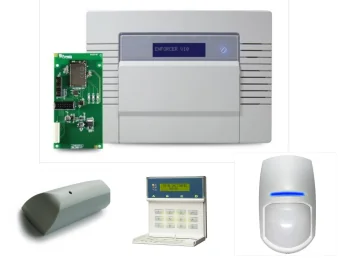
For an alarm, focus on the areas requiring coverage and how the building is opened and closed. Tell us whether different teams use it at different times and whether authorised visitors arrive outside normal hours. Existing equipment and planned layout changes should be included in the brief.
The commercial burglar alarm page provides the detailed installation questions. If monitoring is needed, discuss its responsibilities and response conditions separately. Written insurance requirements should be supplied before the specification is agreed, rather than inferred from a general description of a business alarm.
CCTV and useful operational views
A camera proposal should give each view a purpose. Consider entrances, delivery points and other areas you need to observe or review. Explain the lighting, working conditions and any restrictions on camera positions. Quantity alone does not describe the usefulness of the pictures.
Nominate who administers viewing and recordings. Ask how authorised staff find the relevant period and how access is changed when responsibilities change. The business CCTV page covers these practical decisions so the quotation can address both equipment and operation.
Access control for authorised users
Where entry needs managing, list the doors and the people who use them. Staff, contractors and visitors may require different arrangements. Explain whether a person inside admits visitors or whether regular users need a controlled means of entry.
Door hardware, building requirements and how people leave must be considered alongside electronic controls. If another party manages an entrance, establish the relevant permissions. Our access control pages explain how to prepare a door-by-door brief and think about ongoing administration.
Coordinating more than one service
Alarm, CCTV and access control serve different purposes. Where more than one is proposed, explain how you expect the arrangements to work together. Do not assume that products from separate installations can be combined without compatibility checks.
Describe any existing maintenance or monitoring agreements. If the business changes its telephone or broadband provision, establish whether connected equipment needs review. Keeping these dependencies visible helps prevent an otherwise useful system being affected by an unrelated service change.
Installation planning and responsibility afterwards
Tell us about opening hours and practical restrictions on work. Identify who can provide access and which activities need coordination with staff, customers or other contractors. Compare quotations by the work and services included as well as the price.
Once the proposal is accepted, an installation date is agreed. Arrange for the responsible users to participate in handover and keep the operating information with the service records. Review the arrangement when staff responsibilities, the layout or the use of the premises changes. C&C can discuss new installations and existing systems so that future work is considered against the business requirement.